The private label cosmetics market surpassed USD 25 billion globally in 2025 and continues to accelerate. From Sephora Collection to Amazon's Belei, retail giants are racing to launch private label beauty lines — and the reason is crystal clear. Margins up to 80%, full brand control, and the agility to respond instantly to market trends. But this opportunity is no longer reserved for corporations. With as little as USD 2,500, anyone can launch their first private label K-Beauty product using Korea's world-class manufacturing infrastructure.
What Is Private Label Cosmetics?
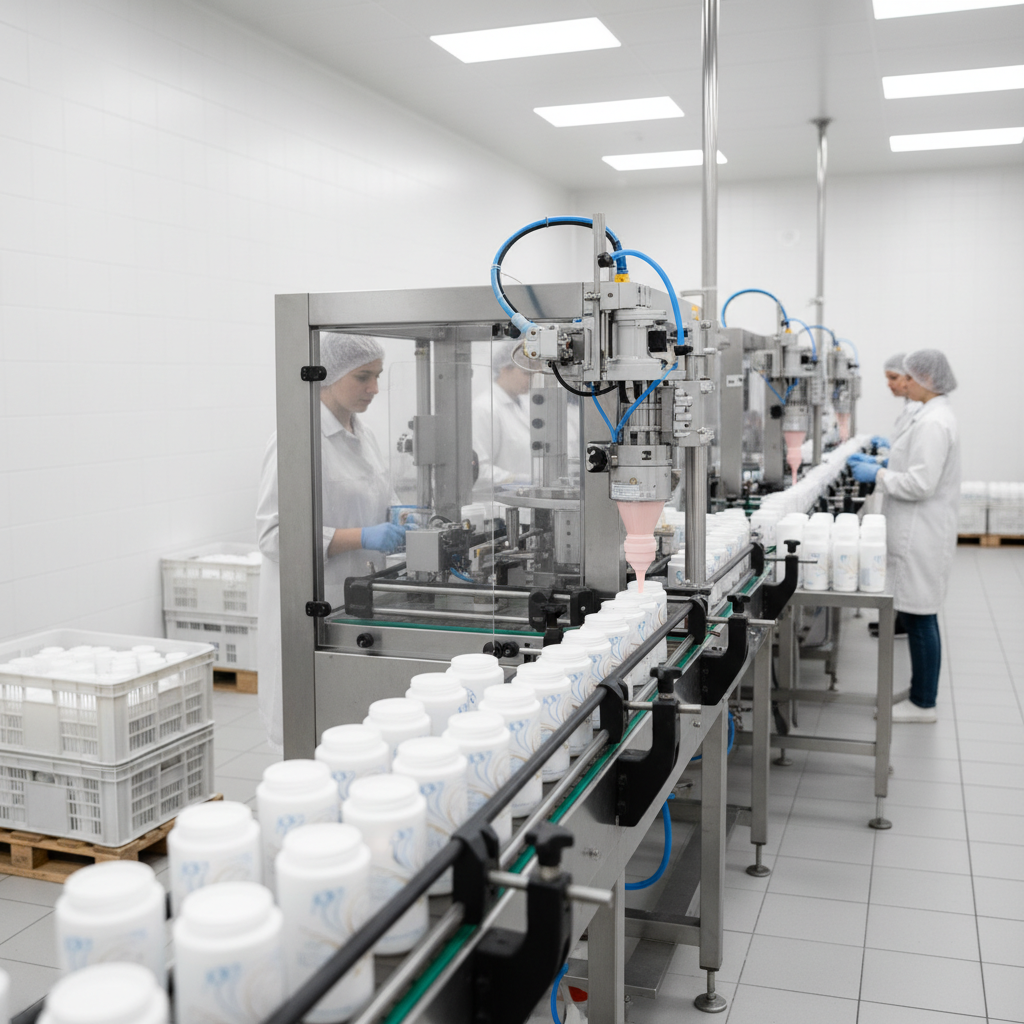
Private label cosmetics are products manufactured by a third-party factory but sold under your own brand name. You handle the brand concept, marketing, and sales, while a GMP-certified Korean factory takes care of formulation and production. In simple terms, it means "your brand name on professionally manufactured Korean cosmetics."
In recent years, solo entrepreneurs, beauty influencers, dermatologists, and estheticians from around the world have entered the private label K-Beauty market. Korea's robust OEM/ODM infrastructure means you don't need your own manufacturing facility — just a clear brand vision and a reliable factory partner.
Private Label vs OEM vs ODM — What's the Difference?
These three terms are frequently confused, but there are key distinctions.
| Model | Formula Development | Manufacturing | Brand Ownership | Best For |
|---|---|---|---|---|
| OEM | Your brand | Factory | Your brand | Brands with proprietary R&D |
| ODM | Factory | Factory | Your brand | First-time entrepreneurs |
| Private Label | Either | Factory | Your brand | All business types (umbrella term) |
In essence, private label is the umbrella concept that encompasses both OEM and ODM. For first-time brand owners, starting with ODM (selecting from a manufacturer's existing formulas) is the most efficient path. You save on formula development costs and time while still selling under your own brand.
5 Steps to Create Your Private Label K-Beauty Product
Step 1: Market Research & Concept Planning (2–4 weeks)
Every successful private label brand starts with a clear target audience and differentiation strategy. Analyze Amazon Best Sellers, social media trends, and Google Trends to find categories with high demand but limited supply. As of 2025, the fastest-growing K-Beauty categories internationally are derma skincare (+32%), vegan suncare (+28%), and scalp/hair care (+45%).
Step 2: Manufacturer Selection & Formula Confirmation (3–6 weeks)
Shortlist 3–5 GMP-certified Korean manufacturers that specialize in your product category. Request samples and compare texture, absorption, fragrance, and stability. Negotiate MOQ (Minimum Order Quantity), unit pricing, and lead times. Through HWAJAE, you can compare quotes from 30+ GMP-certified manufacturers at once.
Step 3: Design & Packaging (3–4 weeks)
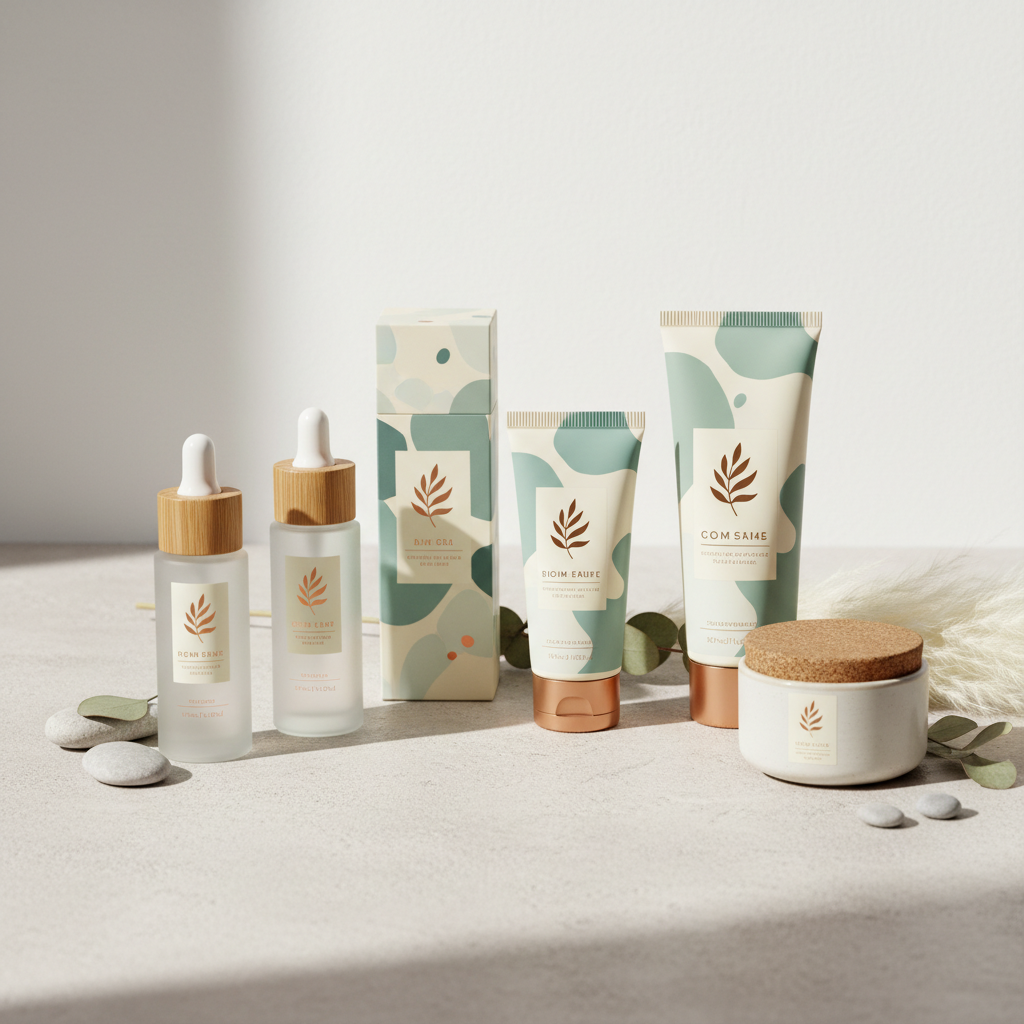
Design your primary packaging (bottles, tubes, jars) and secondary packaging (outer boxes). Cost-saving tip: choosing stock containers with label application saves USD 1,500–4,000 in custom mold costs. Ensure all labels comply with the cosmetics regulations of your target market (FDA for the US, EU Cosmetics Regulation for Europe, etc.).
Step 4: Mass Production & Quality Testing (4–8 weeks)
After final sample approval, mass production begins. Post-production quality testing includes microbiological testing, heavy metal analysis, and stability testing. For functional claims (whitening, anti-wrinkle, UV protection), additional documentation and testing may be required depending on your target market's regulations.
Step 5: Launch & Sales (D-Day)
Select your initial sales channels — Shopify, Amazon, your own website, or local distributors — and create compelling product listings. For launch momentum, leverage Instagram Reels, influencer seeding campaigns, and crowdfunding platforms like Kickstarter or Indiegogo. K-Beauty crowdfunding campaigns achieve an average of 380% funding rate, making it an ideal launch strategy for private label brands.
Private Label Cost Breakdown by Stage
| Item | Cost Range (USD) | Cost-Saving Tip |
|---|---|---|
| Business registration | $0–200 | Varies by country; often free online |
| Formula development (ODM) | $0–800 | Use manufacturer's existing formulas |
| Sampling (3–5 rounds) | $250–800 | Some factories offer free initial samples |
| Packaging & design | $400–2,500 | Stock containers + label application |
| Production (1,000 units) | $1,200–4,000 | Negotiate MOQ; use HWAJAE matching |
| Quality testing (micro & stability) | $250–650 | Check if factory includes testing |
| Product listing / photography | $250–1,200 | DIY with Canva or Figma |
| Total (minimum) | ~USD 2,500+ | ODM + stock packaging + DIY design |
The key is to avoid chasing perfection on your first product. Launch fast using an existing formula + stock packaging + label application to validate market demand, then upgrade to custom containers and proprietary formulas from your second production run onward. This staged approach has the highest success rate for new brand owners.
Private Label K-Beauty Margin Structure
The biggest advantage of private label cosmetics is the exceptional profit margin. Here's a concrete example.
| Item | Own Website | Amazon | Retail / Distributor |
|---|---|---|---|
| Manufacturing cost (50ml serum) | $1.50 | $1.50 | $1.50 |
| Packaging cost | $0.60 | $0.60 | $0.60 |
| Retail price | $22.00 | $18.00 | $28.00 |
| Platform / distribution fee | 3.5% (Stripe) | 15% (FBA) | 35–40% |
| Net margin | ~80% | ~65% | ~45% |
Selling directly through your own e-commerce store yields margins around 80%. Even with the highest distribution fees through retail partners, you can still secure approximately 45% margin. That's 2–3x higher profit compared to standard wholesale distribution (15–25% margins).
5 Winning Strategies for Private Label K-Beauty
- Target a niche category: Focus on underserved segments that big brands overlook — scalp care, sensitive/atopic skin, men's skincare, or pregnancy-safe products. Aim to be the #1 brand in your niche before expanding.
- Lead with ingredient storytelling: Highlight specific concentrations like "78% Centella Asiatica Extract" or "95% Snail Mucin Filtrate." Products with transparent ingredient claims see 2.4x higher repurchase rates on average.
- Start small, then focus: Launch 3–5 SKUs in small batches to test market response, then concentrate your marketing budget on the 1–2 best performers.
- Launch via crowdfunding: Platforms like Kickstarter and Indiegogo eliminate inventory risk by securing pre-orders. K-Beauty campaigns average 380% funding rate with a median raise of USD 10,000+.
- The 100-review rule: On Amazon and Shopify, once you pass 100 reviews, organic search traffic surges. Use micro-influencer seeding and sampling campaigns to build your initial review base fast.
Real-World Success Stories
Case 1: Solo Entrepreneur — Vegan Sunscreen
Initial investment of USD 2,800 → Produced 1,000 units via ODM → Kickstarter campaign raised USD 22,000 →
Within 6 months, monthly revenue hit USD 35,000 with successful retail distribution deals.
Case 2: Dermatologist — Derma Serum
Converted an in-clinic serum into a private label product → Launched on Shopify → Monthly revenue exceeded USD 80,000.
Professional credibility combined with private label margins created a powerful synergy.
Case 3: Beauty Influencer — Cleansing Balm
50,000 followers → Launched a private label cleansing balm → A single Instagram Reel sold out 3,000 units →
Year 1 revenue: USD 950,000.
Frequently Asked Questions (FAQ)
Q. What's the difference between private label and OEM cosmetics?
Private label is the umbrella term for products sold under your own brand, while OEM and ODM refer to the specific manufacturing arrangement. Private label brands can use either OEM (you provide the formula) or ODM (the factory provides the formula) — or a combination of both.
Q. Can I really start with just USD 2,500?
Yes. By using the ODM approach (manufacturer's existing formulas) + stock packaging + label application, you can launch your first 500–1,000 units for approximately USD 2,500. However, if you want custom molds or proprietary formula development, expect to invest USD 8,000 or more.
Q. What regulations do I need to comply with?
In the US, cosmetics must comply with FDA labeling requirements but don't need pre-market approval. In the EU, you need a Responsible Person and CPNP registration. In most countries, no special licenses are required to sell cosmetics — but functional claims (anti-aging, whitening) may trigger additional regulatory requirements. Your Korean manufacturer can guide you through export compliance.
Q. What's the most important factor when choosing a Korean manufacturer?
GMP (Good Manufacturing Practice) certification is non-negotiable. After that, evaluate expertise in your product category (skincare, color cosmetics, etc.), MOQ flexibility, communication responsiveness (especially in English), export experience, and existing client portfolio.
Start Your Private Label K-Beauty Journey
HWAJAE partners with 30+ GMP-certified Korean manufacturers. Get your estimated manufacturing cost in 30 seconds.
Free Quote Calculator